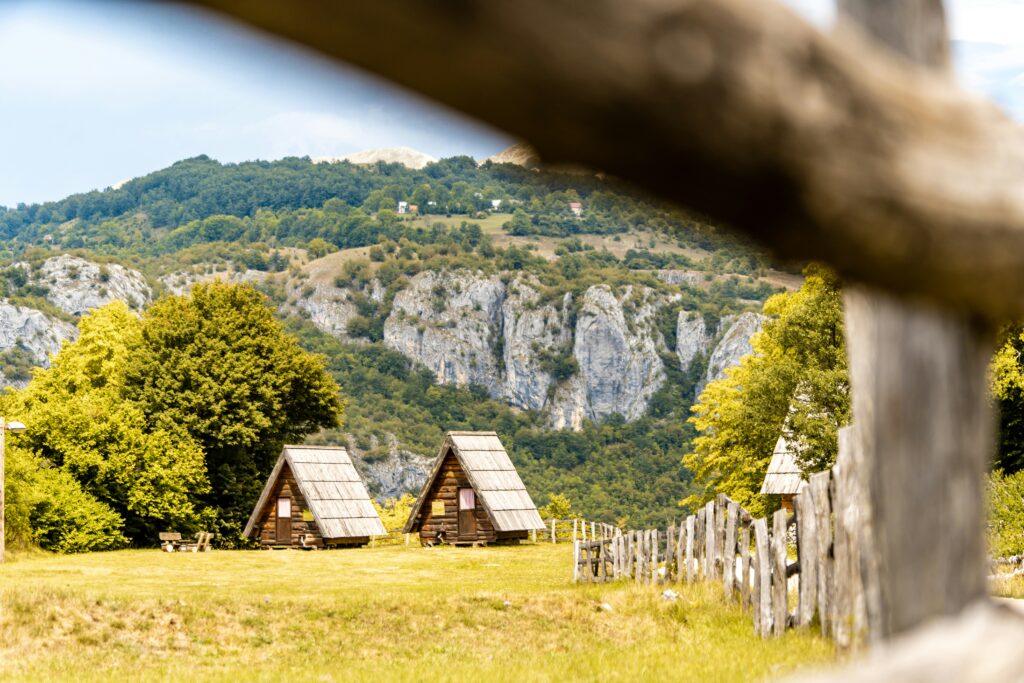
Chopping wood at a cold morning in Kolašin. My breath forms small clouds in the crisp mountain air. In front of me lies a massive pile of beech wood; in my headphones, heavy metal or the Rocky IV soundtrack is blaring. Anyone who remembers the scene where Rocky trains in a lonely cabin in the Russian snow knows exactly the feeling I mean.
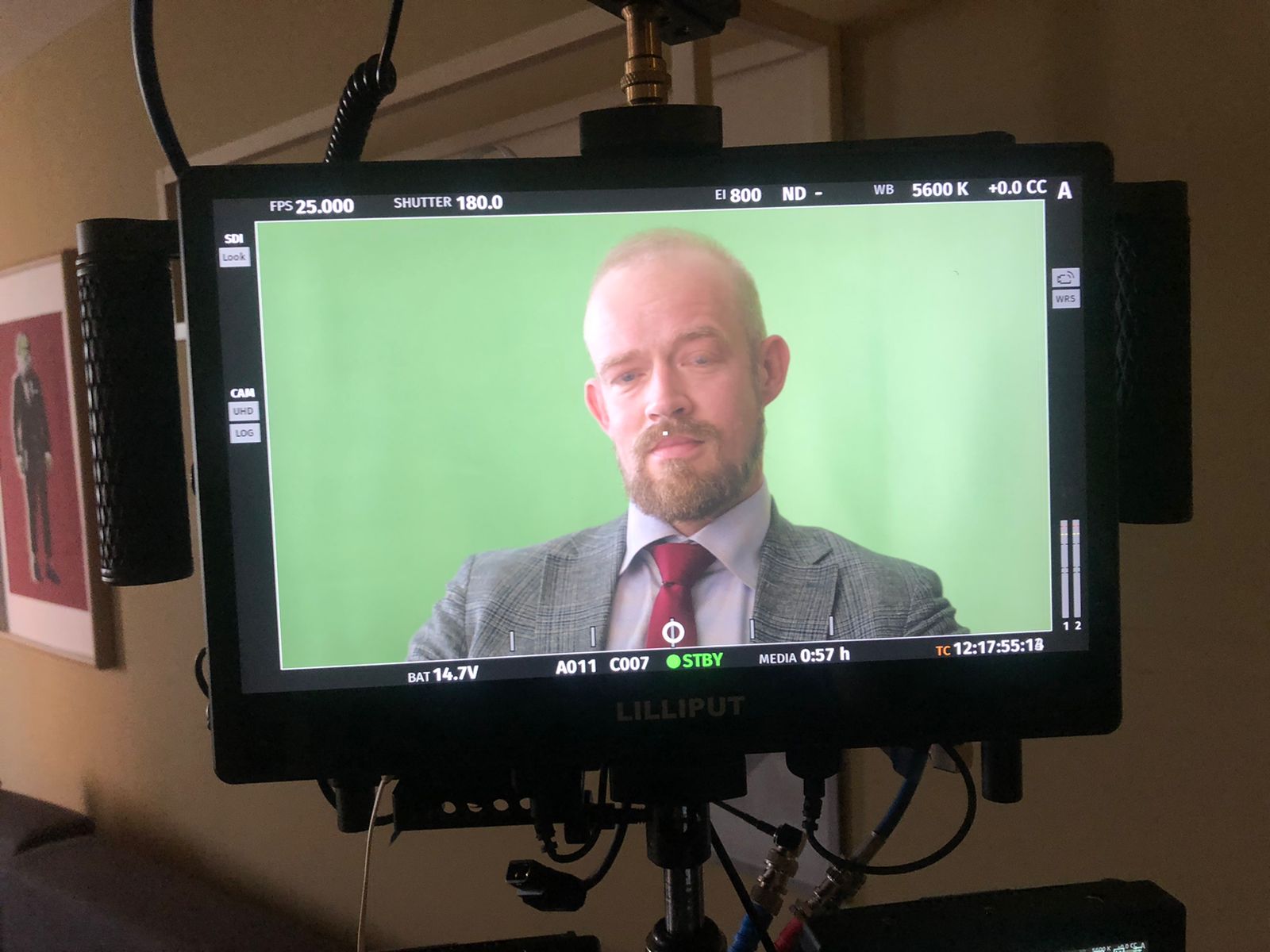
Many know me in a suit, in negotiations, or perfectly lit on a film set. But up here, with a splitting axe in hand, there are no masks. Here, only the next strike counts.
The Focus: When the Crack Becomes a Victory
For me, chopping wood is far more than just preparing for winter. It is a ritualistic “shock muscle” workout and my most vital mental training. I often set a timer for 20 minutes and chop straight through without mercy.
The feeling is archaic: you strike a hard log. At first, seemingly nothing happens. But then, the first faint cracks appear. You recognize the weak point, aim exactly there again, and increase the pressure. The crack widens, the wood groans, and finally—with a dry bang—the log flies into two halves. It’s a small moment of happiness and total control every single time.
The Gear: Tools for Professionals
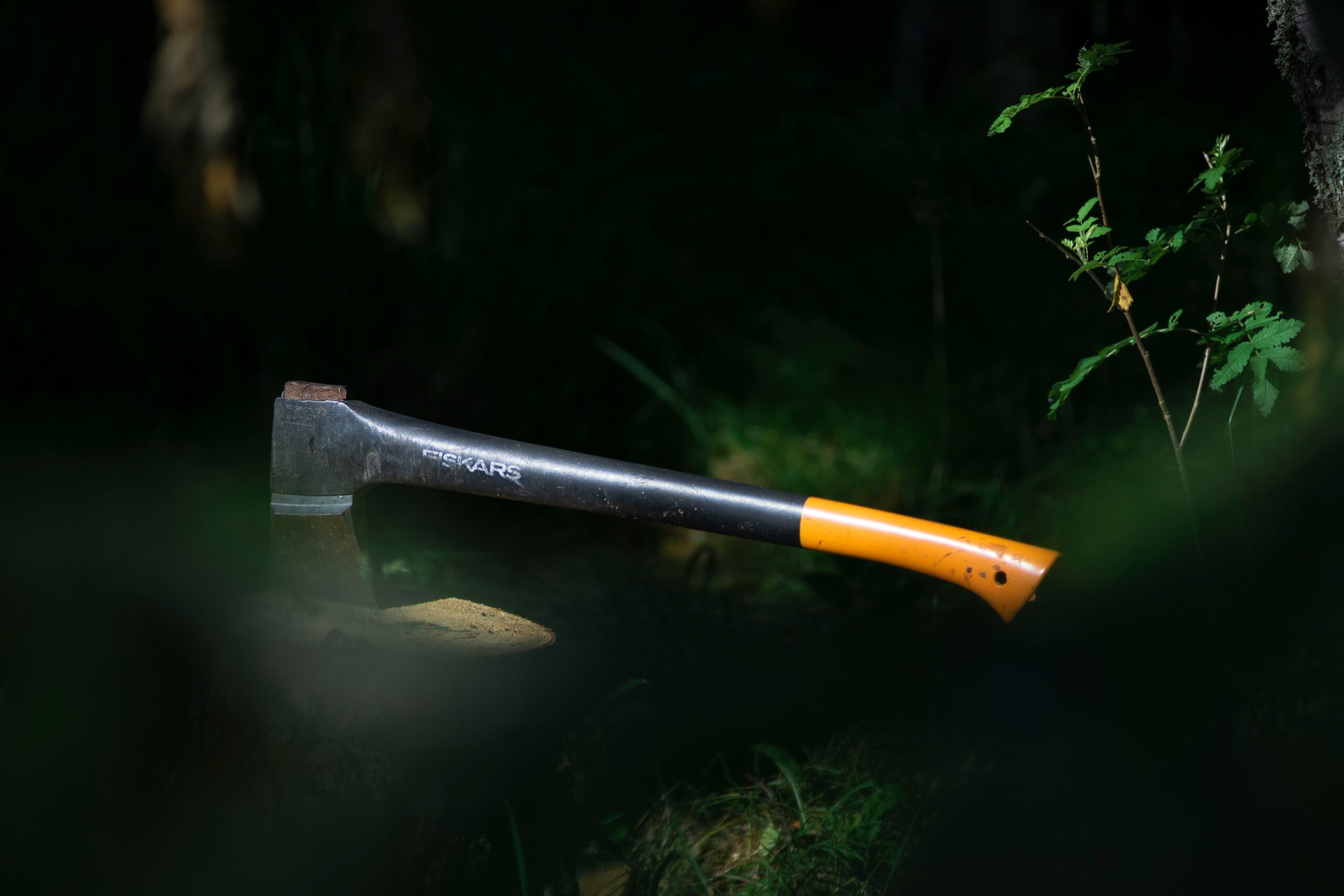
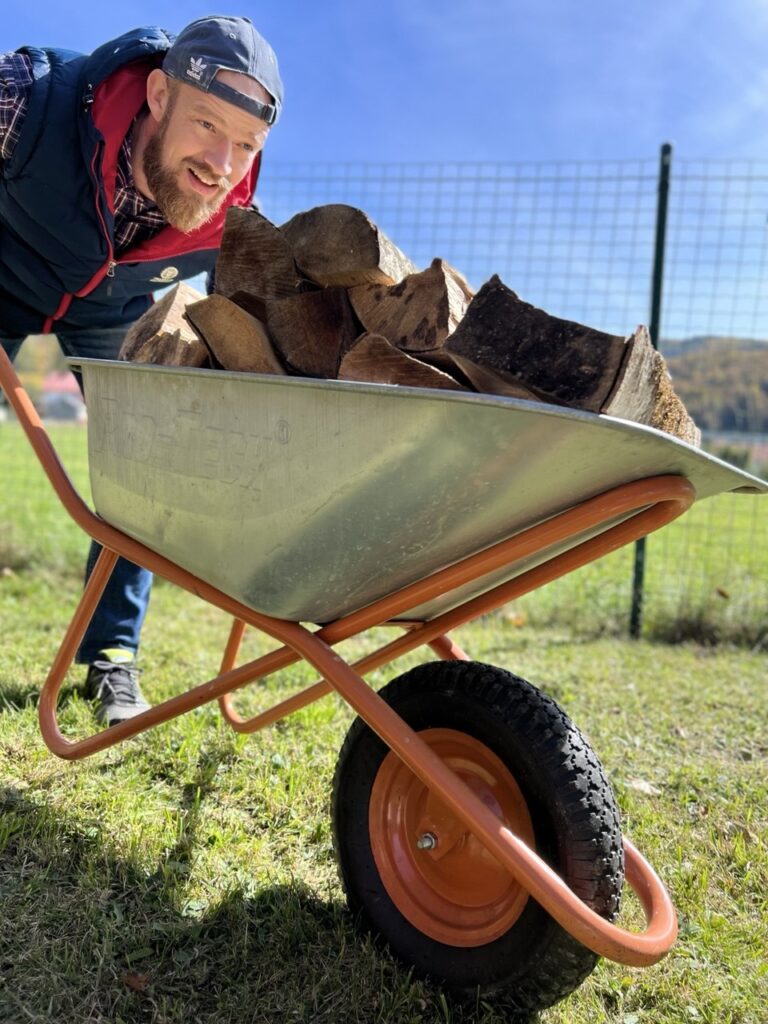
In business, as in craftsmanship, the rule is: never skimp on your tools. In the past, the wooden handles of my axes broke regularly because I often strike harder during training than normal material can withstand. Today, I use a splitting axe from Fiskars. The Finns know what they’re doing. It’s made of metal and an extremely tough composite—nearly indestructible. Add good gloves, a wheelbarrow, and sometimes a tripod for the camera to share the progress on Instagram.
Strategy and Patience: from the Axe to the Oven
But power is only half the battle. Chopping wood teaches a lesson that I have transferred directly into entrepreneurship: patience.
After the chopping comes the clearing, the stacking, and months of drying in the fresh air. Then, the storage in the shed. Only much later does the wood end up in the stove.
When I sit in my warm living room in the winter, while the snow outside glistens in the sun, I feel the pride. I know exactly which piece of wood is burning right then. I remember the burning neck, the aching forearms, and the intense focus at the moment of the strike.
What is Your Anchor?
In a digital world where results often feel fleeting, wood provides honest feedback. It doesn’t lie. It doesn’t forgive a lack of concentration. It forces you into the present.
My question to you: What is your anchor? Where do you regain your strength and focus when the world around you gets too loud? Let me know — or head over to my Instagram channel to see some of my wood chopping videos and the “Sovereign Lifestyle” in action.